Stiffness isn't always a tight muscle
Sometimes what feels 'tight' is your nervous system being cautious. Understanding that can change how you approach movement.
Holistic physiotherapy
Holistic means looking at the whole picture: how you move, how you feel, your lifestyle, and what you're working toward - together. Drawing inspiration from the principles of manual therapy, massage, yoga, breathwork, strength and conditioning, and dry needling, we aim to find a blend that best supports your recovery.
Scroll to explore the approach
How we work
No rigid protocols - just a clear way of thinking about your recovery, adapted to you.
There's no single 'right' way to recover. We draw on what helps you - adapting as we learn more about your body and your life.
Pain and movement aren't just mechanical. Stress, sleep, illness, confidence, and context all play a part - and they're worth paying attention to.
Tips and exercises should blend into your daily life. The aim it's to help you move with more ease and awareness throughout your day in whatever way feels best suited to you.
Sessions should feel like a open conversation, not a lecture. There's space for humour, curiosity, and asking questions along the way. There is no such thing as a stupid question.
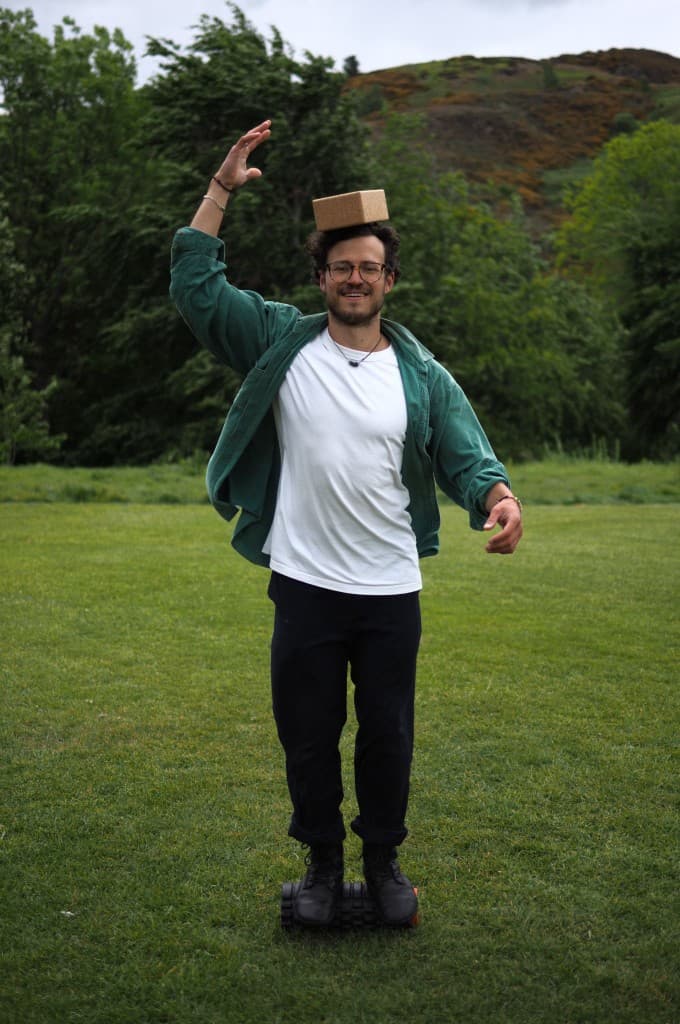
Functional & meaningful
Exercises aren't about ticking boxes. They're about building confidence in your body - whether that's getting back to a walk in the park, sitting comfortably at your desk, or returning to something you love.
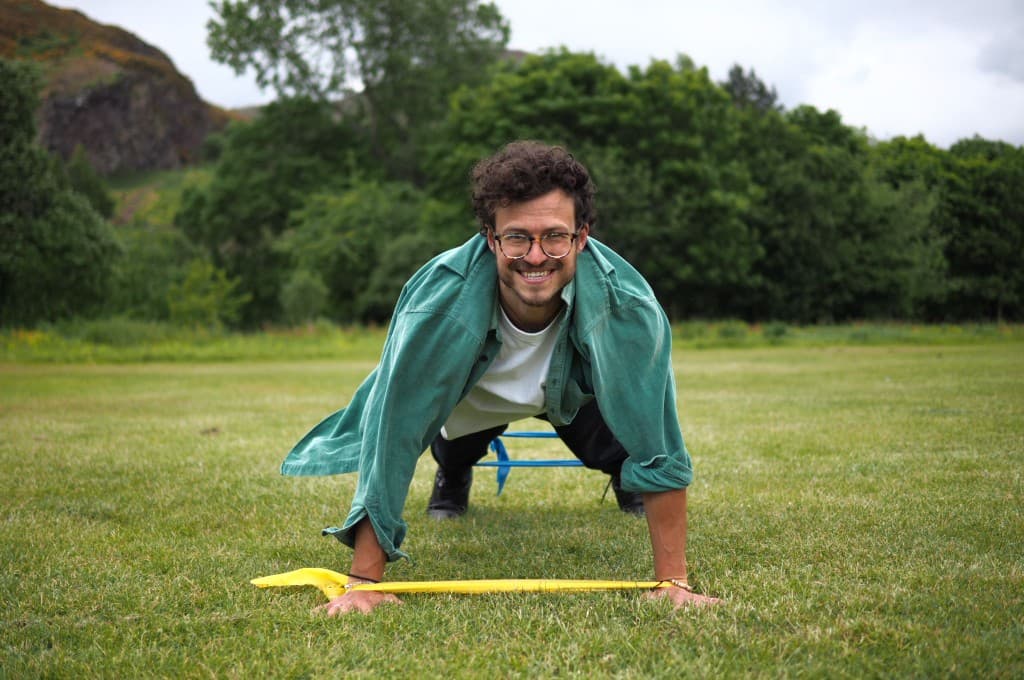
Outdoors & active
Whatever the context, the focus stays the same: helping you feel capable, informed, and at ease in your body.
Simple insights
Understanding your body shouldn't require a medical degree. Here are a few ideas we often explore together.
Sometimes what feels 'tight' is your nervous system being cautious. Understanding that can change how you approach movement.
Good days and harder days are normal. Progress often looks like learning what your body needs - not a straight line upward.
How you breathe affects how you move and how you feel. Small shifts in breathing can make exercise feel more accessible.
If this approach resonates, the next step is simple - book a session or plan your visit. No pressure, no hard sell.